
Why Pool Shell Preparation Matters Before New Plaster is Applied

New pool plaster can look flawless on handover day and still fail early if the surface beneath it was not prepared properly. The finish is only the last layer. What sits under it, the concrete shell, old plaster, cracks, hollow areas, stains, and fittings, has a direct effect on how long the new surface will last.
Pool plastering is often compared on price, but the cheapest quote can leave out the work that protects the finish. Proper shell preparation takes time, skill, and a willingness to deal with problems before they are hidden. That is where a good pool builder earns their fee.
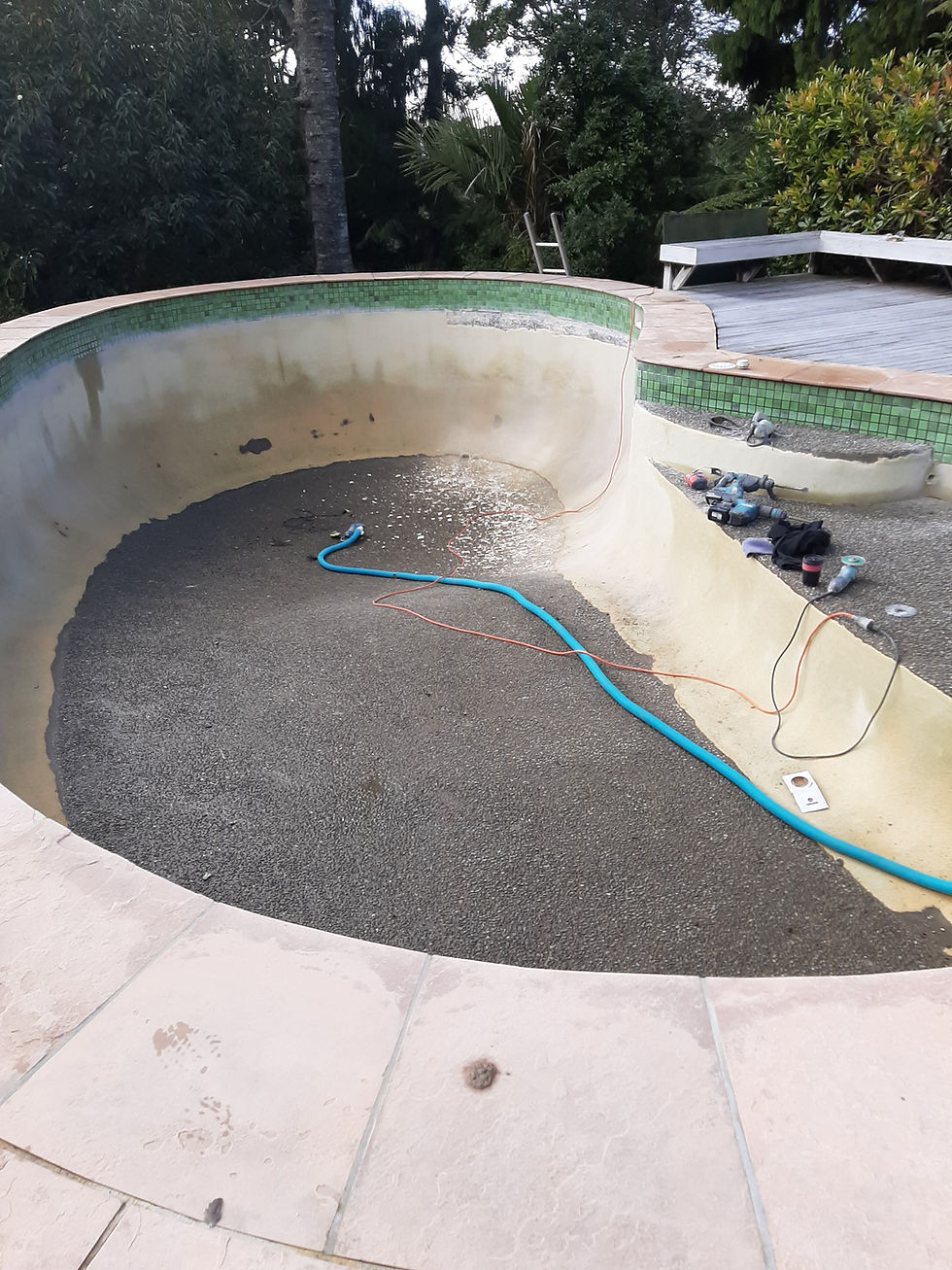
New plaster depends on what it bonds to
Pool plaster does not work like paint. It is not a simple cosmetic coating that can be rolled over whatever is already there. It needs a clean, stable, correctly prepared surface so it can bond properly.
Old plaster can hide several issues:
Hollow or drummy areas where the old finish has separated
Soft or friable material that will not hold a new coat
Scale, oils, algae staining, metals, or chemical residue
Cracks that suggest movement in the shell
Previous patch repairs that were never properly tied in
If these are left in place, the new plaster may blister, delaminate, crack, stain, or wear unevenly. The pool might look new for a short time, then start showing the same problems again.
Good preparation removes doubt before the new finish goes on. That means exposing weak areas, testing the surface, and making decisions based on the condition of the shell, not just the schedule.
The shell needs a close inspection after draining
A proper replaster starts with the pool drained and cleaned enough to inspect. The builder should look across the floor, walls, coves, steps, benches, returns, lights, and around fittings.
This inspection is where many future problems are either caught or missed.
Signs that need attention include:
Long cracks that continue through the shell
Rust staining around reinforcement or fittings
Movement cracks near corners, steps, or penetrations
Loose plaster around tiles, lights, and skimmer areas
Spalling concrete or soft substrate
Previous patching that has failed
Not all cracks mean the pool is structurally unsafe. Hairline surface cracking can be different from a crack that moves, leaks, or transfers through the concrete shell. But the distinction matters. A builder should not simply cover cracks with plaster and hope for the best.
Plaster is a finish, not a structural repair. If the shell is moving or leaking, the issue needs to be addressed before the finish is applied.

Structural cracks must be repaired before plaster hides them
A crack that runs through the shell can let water in or out. It can also allow moisture to move behind the new plaster. Over time, that can cause staining, mineral deposits, hollow areas, or new cracks that mirror the old ones.
Remediation depends on the type and cause of the crack. In some cases, repair may involve cutting out the crack, cleaning it thoroughly, filling it with a suitable repair material, and tying the repair back into the shell. In more serious cases, waterproofing or engineering input may be needed before any plaster work continues.
The key point is simple: the repair method should match the problem.
Covering a structural crack with plaster is not repair. It is concealment. Once the pool is refilled, pressure, movement, and chemicals will test that weak point again. If it fails, the new finish may need to be cut open or removed, which is exactly the kind of damage proper pre-plaster work is meant to avoid.
Surface preparation creates the bond
Once the shell is assessed and repaired, the surface needs to be prepared for bond. This is one of the biggest differences between a rushed job and a durable one.
Depending on the pool’s condition and the chosen finish, preparation may include:
Removing loose or delaminated plaster
Chipping or grinding around weak edges
Cleaning away dust, scale, oils, and residue
Creating the right surface profile for mechanical bond
Washing and neutralising surfaces where required
Applying a bond coat or approved bonding system
Protecting tiles, fittings, and penetrations during the work
The goal is not just to make the pool look clean. It is to make the surface ready to accept new material.
If the surface is too smooth, contaminated, dusty, or unstable, the plaster may not grip properly. Problems may appear as pop-offs, hollow spots, rough patches, or uneven curing. These defects can be costly because they are usually not simple surface touch-ups.

Pre-plaster details protect the finish after filling
Some of the most important work happens around details that are easy to overlook. Lights, returns, skimmers, main drains, steps, benches, and tile lines all create transitions where plaster can fail if the preparation is poor.
These areas need careful treatment because they are common points for leaks, shrinkage cracks, staining, and weak edges. Old sealants may need to be removed. Damaged surrounds may need repair. Fittings may need to be checked, reset, or protected before plaster is applied.
Water chemistry after plastering also matters, but it cannot fix poor preparation. A good start-up process helps the plaster cure evenly, while bad shell preparation leaves defects built into the job from day one.
A cheaper quote may be missing the work you cannot see
When comparing pool plaster quotes, the finish type and price are easy to focus on. The preparation scope is harder to judge, but it is often the part that separates a lasting result from an early failure.
Ask what is included before choosing a contractor. Useful questions include:
Will the pool be fully inspected after draining?
How will hollow or delaminated areas be identified?
What happens if structural cracks are found?
Is crack repair included or priced separately?
How will the surface be cleaned and profiled?
Will a bond coat or bonding system be used?
How are fittings, lights, tiles, and penetrations handled?
What start-up care is recommended after filling?
A responsible pool builder should be able to explain the process clearly. If a quote only talks about applying new plaster, ask what happens before that stage. If the answer is vague, the risk is yours.

The best finish starts before plaster day
A new plaster finish should give the pool a clean, fresh surface and many seasons of use. That result starts well before the plaster crew begins applying material.
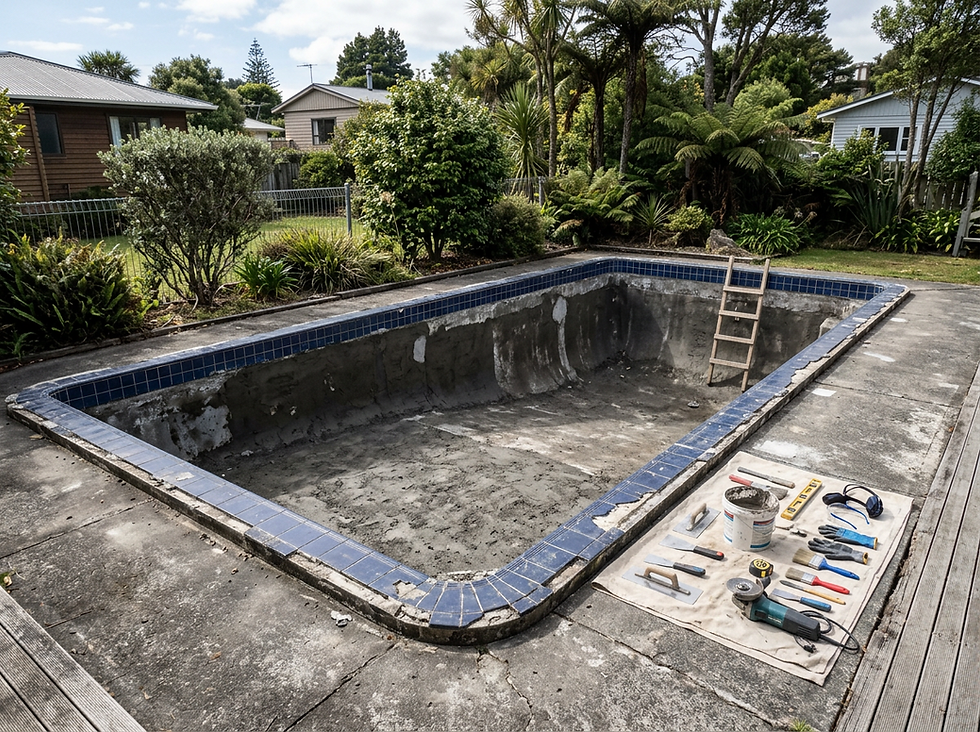
The pool shell must be inspected, repaired, cleaned, profiled, and detailed properly. Structural cracks need real remediation. Weak old plaster needs removal. Fittings and edges need care. These steps are not extras. They are part of doing the job correctly.
Price matters, but value comes from the work that protects the finished surface. Before approving a quote, look past the final colour and ask how the builder will prepare the shell. The answer will tell you far more about the quality of the job than the price alone.

Comments